What Is Primitive Camping – Master Pure Wilderness
Understanding what is primitive camping comes down to self-reliance. It is camping in undeveloped natural areas without public utilities, piped water, electricity, or flush toilets. Campers pack in all shelter, food, and emergency supplies, filter their own water from natural sources, and pack out all trash, leaving the landscape completely unaltered.
Do you feel exhausted by crowded campgrounds, glaring floodlights, and the constant hum of RV generators? You head outdoors seeking genuine tranquility, only to find yourself wedged into a tiny gravel plot just yards away from noisy neighbors.
Wilderness should offer true solitude. Primitive campsites provide the peaceful escape you seek, surrounding your shelter with towering trees and quiet night skies instead of concrete pads and asphalt loops.
This guide explains how wild campsites function, how they contrast with other camping styles, and what specific outdoor skills you need to stay safe, warm, and entirely self-sufficient.
Table of Contents
What Is Primitive Camping and How Does It Work?
To grasp what is primitive camping, imagine pitching your shelter where human amenities simply do not exist. There are no bathhouses, no power pedestals, no dumpsters, and no pressurized water spigots anywhere nearby.
In simple terms, primitive camping means staying overnight in an undeveloped outdoor setting where you must supply everything necessary for your survival and comfort. You carry your home on your back or pack it into a vehicle, manage your own human waste, and purify your drinking water.
These sites range from designated, bare-dirt clearings in state forests to remote patches of national woodland. While the setting demands total self-sufficiency, it rewards you with unmatched solitude, dark night skies, and a direct connection to nature.
The Core Differences: Primitive vs. Dispersed vs. Backcountry
Campers often mix up outdoor terminology, treating distinct camping styles as identical. Knowing the differences ensures you select the right land agency, pack appropriate gear, and secure proper access permits.
Primitive Camping
Primitive sites are undeveloped spots that lack utilities. Sometimes land managers designate these locations with a small wooden post or an established stone fire ring. You might access them via a dirt forest road in your vehicle or by walking a short distance from a rural parking pull-off.
Dispersed Camping
Dispersed camping refers specifically to setting up camp on public lands outside of any designated campground. The Bureau of Land Management (BLM) and the United States Forest Service (USFS) manage millions of acres open to this use. You pull off a logging road or open trail and build camp in a clearing where no official site exists.
Backcountry Camping
Backcountry camping requires hiking, paddling, or skiing deep into roadless wilderness areas. Every ounce of gear must travel inside your backpack or boat. If you need assistance, rescue teams are hours or days away, requiring serious physical fitness and advanced route planning.
Camping Styles Compared
| Camping Style | Vehicle Access | Typical Facilities | Best For |
|---|---|---|---|
| Developed (Frontcountry) | Direct paved access | Toilets, water spigots, electricity | Families, RVs, beginners |
| Primitive | Vehicle or short hike | None or basic fire ring | Solitude seekers, self-reliant campers |
| Dispersed | Dirt roads / 4×4 tracks | Completely zero infrastructure | Overlanders, budget adventurers |
| Backcountry | Foot or paddle access only | Zero infrastructure | Backpackers, wilderness navigators |
Essential Skills Needed for Primitive Campsites
Venturing into unserviced wilderness demands practical outdoor skills. Without modern infrastructure to fall back on, your safety depends entirely on smart habits and reliable techniques.
When selecting your gear, prioritize durability and utility. Reviewing a comprehensive primitive camping checklist before departure prevents leaving behind critical survival tools like backup lighters, spare batteries, or water tablets.
Water Procurement and Purification
Never consume untreated surface water, regardless of how clear a mountain stream appears. Microscopic pathogens like Giardia and Cryptosporidium cause severe intestinal illness that can turn life-threatening in remote terrain.
Pack a reliable hollow-fiber water filtration pump or squeeze system to process stream water quickly. Always carry chemical purification tablets or a compact stove as an emergency backup if your mechanical filter freezes or clogs.
Cathole Waste Disposal
Without flush toilets or pit latrines, managing human sanitation properly protects wild environments. Carry a lightweight trowel in your quick-access pocket whenever you leave your tent clearing.
Mastering cathole waste disposal requires digging a hole six to eight inches deep at least 200 feet away from any lakes, streams, trails, and campsites. Pack out all used toilet paper inside sealed plastic bags to protect native wildlife and prevent litter.
Outdoor Kitchen Management
Cooking without a picnic table requires clean habits and wind protection. A lightweight backpacking canister stove offers fast, reliable boiling power without scorching the forest floor. Keep your food preparation space tidy so you never invite scavenging mice, raccoons, or larger predators into your shelter area.
Leave No Trace in Undeveloped Wilderness
When there are no maintenance crews or park rangers sweeping campgrounds, preserving the environment falls directly upon your shoulders. Following established Leave No Trace principles keeps wild landscapes pristine for future explorers.
- Plan Ahead and Prepare: Check weather hazards, review trail regulations, and know seasonal fire bans before arriving.
- Travel and Camp on Durable Surfaces: Pitch tents on gravel, dry grasses, sand, or established clearings to avoid damaging fragile native plants.
- Dispose of Waste Properly: Pack out every scrap of food, wrapper, and used sanitation supply. Inspect your campsite thoroughly before leaving.
- Leave What You Find: Leave wild stones, plants, and historical artifacts untouched where you discover them.
- Minimize Campfire Impacts: Use established fire rings whenever possible. Burn small sticks down to white ash, extinguish coals completely with water, and scatter cold ashes.
- Respect Wildlife: Observe all animals from safe distances. Never feed wildlife or leave unattended food supplies outdoors.
- Be Considerate of Other Visitors: Keep noise levels down, avoid using noisy generators, and preserve natural nighttime silence.
Primitive Readiness Audit: Are You Prepared?
Before packing your vehicle or backpack, run through this readiness assessment to ensure you hold the gear, skills, and emergency fallbacks necessary for an unserviced trip.
| System | Minimum Equipment Needed | Required Skill / Protocol |
|---|---|---|
| Shelter & Sleep | Weather-rated tent or silnylon tarp shelter, closed-cell foam sleeping pad | Tying taut-line hitches; reading wind direction for pitching |
| Hydration | Squeeze filter, water bladder, backup purification tablets | Locating reliable water sources on maps; backflushing filters |
| Sanitation | Camp trowel, sealable waste bags, hand sanitizer | Measuring 200 feet from water; digging 6-8 inch deep catholes |
| Food Safety | Bear-resistant food canister or scent-proof hanging bags | Executing the PCT bear-hang method; establishing a cook triangle |
| Navigation | Topographic map navigation tools, magnetic compass | Orienting a map to terrain; plotting emergency escape routes |
| Emergency Comms | Satellite SOS communicator, whistles, mirror | Checking satellite check-in protocols; setting check-in schedules |
If you lack any system listed above, take time to acquire the equipment and practice at home. Building your core camping gear checklist step-by-step ensures you stay safe rather than finding out you missed critical gear miles out in the woods.
Where to Find Legal Primitive Campsites
Locating off-grid sites takes slightly more research than booking a commercial RV resort. Fortunately, public land agencies manage extensive territory open to dispersed and undeveloped camping across the country.
Bureau of Land Management (BLM)
The BLM oversees wide stretches of public ground, particularly throughout the American West. Most BLM property permits dispersed camping up to 14 consecutive days without fees, provided you do not obstruct trail roads or livestock access points.
United States Forest Service (USFS)
National forests and national grasslands provide exceptional off-grid camping opportunities. Forest roads regularly feature pull-offs where prior campers cleared small tent spaces. Always check online motor vehicle use maps (MVUMs) to confirm which side roads allow vehicle passage.
State Forests and Wildlife Management Areas
Many state-level agencies operate low-density, primitive camping clearings. While some require inexpensive annual recreation passes, these reserves generally see far less foot traffic than marquee national parks.
Crucial Safety, Navigation, and Wildlife Strategies
Off-grid outdoor safety requires managing risks before they escalate into emergencies. When modern rescue infrastructure sits miles away, careful planning makes all the difference.
Emergency Navigation and Communications
Do not depend solely on smartphones. Cellular signals frequently vanish in deep canyons and dense tree canopies. Download digital offline mapping layers onto your phone, but always pack a paper topographic map and compass.
Invest in a two-way satellite SOS communicator. These pocket-sized devices allow you to check in with family members outside cell range and summon search-and-rescue teams during critical emergencies with the press of a button.
Wildlife Encounters and Food Storage
Smells attract wildlife. Never store food, flavored lip balm, toothpaste, or dirty cook pots inside your tent. In bear territory, pack an approved bear-resistant food canister or suspend your supplies at least twelve feet off the ground and four feet outward from tree trunks.
If you travel through rugged wilderness where megafauna roam, study dedicated camping tips for bear country before loading your vehicle. Understanding how to deploy bear spray and handle animal encounters prevents serious outdoor conflicts.
Frequently Asked Questions About Primitive Camping
What is primitive camping compared to standard tent camping?
Standard tent camping usually occurs in established campgrounds featuring running water, bathrooms, garbage cans, and vehicle parking. Primitive camping takes place in undeveloped areas lacking all utilities, requiring you to filter your water, manage your own waste, and pack out all gear and trash.
Can beginners safely try primitive camping?
Yes, beginners can succeed by starting cautiously. Try your first trip at a primitive site located within a short walk of your vehicle rather than hiking deep into remote backcountry. Test your water filters, camping stove, and tent pitching skills in your backyard before heading into the wild.
Do I need a special permit for primitive campsites?
Permit rules vary depending on land ownership. While most BLM tracts and national forests allow free dispersed camping without prior registration, certain state parks and designated wilderness preserves require self-registration tags, campfire permits, or overnight backcountry passes.
How do you wash dishes without running water?
Scrape every leftover food particle into your personal trash bag. Wash cookware using warm filtered water and a few drops of biodegradable camp soap in a basin at least 200 feet away from lakes and streams, then strain out gray water particles before disposal.
Final Thoughts on Embracing Wilderness Camping
Learning what is primitive camping opens up an incredible world of self-reliance, peace, and natural wonder. Trading modern electrical hookups and crowded campgrounds for open skies and quiet forests transforms camping from a routine weekend trip into a genuine adventure.
Take your time building skills, treat every natural resource with deep respect, and double-check your emergency gear before leaving the trailhead. Step out with confidence, stay safe, and enjoy the true freedom of the wild!
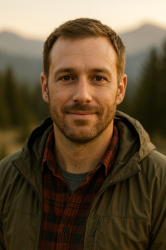
Eric grew up in the mountains of Colorado and has been skiing, hiking, camping and fishing since he was a kid. He started Outward Lab to share what years outdoors have taught him, from setting up camp and keeping an RV running to backyard projects and being ready for emergencies. Every guide here is written to be practical, accurate and safe to follow.