Primitive Camping Without Electricity – Essential Off-Grid Skills
Primitive camping without electricity requires replacing wall outlets with reliable manual tools, thermal layers, and passive systems. Success comes down to mastering clean water filtration, using fuel-efficient cooking systems, setting up layered sleeping insulation, and carrying durable lighting solutions like rechargeable headlamps or fuel lanterns to stay safe, warm, and self-sufficient.
Stepping away from powered campsites offers unmatched quiet, dark night skies, and true independence. Yet, leaving behind electrical hookups means every basic necessity requires intentional planning and proven wilderness skills.
Heading into unpowered wild lands can feel intimidating when you are used to modern conveniences. Without a switch to flip, you must know how to maintain personal warmth, manage food safely, and illuminate your surroundings.
Mastering primitive camping without electricity transforms remote public lands into comfortable temporary homes. This practical field guide provides actionable steps and gear choices to keep you safe, organized, and confident off the grid.
Table of Contents
Essential Lighting for Campsites Without Power
Darkness falls quickly in dense forests and deep valleys. Navigating camp after sunset without tripping over roots requires dependable, multi-layered lighting solutions that do not rely on standard household current.
Your primary light source should always be a hands-free headlamp. A high-efficiency LED model featuring a red-light mode preserves natural night vision and prevents blinding your campmates while cooking or reading maps.
For illuminating communal areas, hang a classic liquid-fuel mantle lantern or an efficient collapsible solar lantern from a sturdy branch. Mantle lanterns cast wide, warm light across the entire kitchen area while generating a gentle radiant heat on chilly evenings.
Always pack mechanical backup lighting. Keep standard storm-proof tea candles or a compact UCO candle lantern inside a dry sack for reliable, battery-free illumination inside your tent vestibule.
Off-Grid Camp Cooking and Food Storage
Keeping food fresh and preparing satisfying meals without a mini-fridge or microwave is simpler than most beginners think. You only need the right balance of dry pantry staples, proper thermal storage, and a reliable heat source.
Invest in equipment that maximizes passive rotomolded cooler ice retention. Pre-chill your heavy-duty cooler twenty-four hours before departure using sacrificial block ice, and store frozen water jugs inside rather than loose cubes to minimize meltwater pools.
When cooking without electricity, a dual-fuel backpacking stove or a durable cast-iron skillet over a campfire ring works wonders. If you want to explore versatile culinary options, review our guide to camp cooking without electricity to expand your off-grid menu.
Consider carrying a lightweight biomass twig stove as a backup cooking system. These compact units burn small pinecones, dry sticks, and wood scraps, eliminating the need to haul heavy pressurized fuel canisters on extended wilderness stays.
Critter management is mandatory at primitive sites. In wilderness regions, store all scented items, food, and cookware inside an Interagency Grizzly Bear Committee certified bear canister positioned at least one hundred yards downwind from your shelter.
Water Sourcing and Manual Purification Techniques
Clean running water is rarely available at dispersed or backwoods campsites. You must either haul your full water supply in heavy-duty jugs or collect and sanitize water directly from natural streams and lakes.
Plan for one gallon of drinking water per person per day, plus an additional gallon for cooking and basic hygiene. If you must pack all your water in, explore our complete camping checklist without running water for smart storage tips.
When harvesting from backcountry water sources, deploy a gravity-fed hollow-fiber water filtration system. Hang the dirty reservoir from a tree branch, connect the inline hose, and let gravity clarify four liters of drinking water in minutes without manual pumping.
Always maintain a secondary purification method in your pack. Chemical chlorine dioxide tablets or a rapid five-minute rolling boil over your stove will eliminate stubborn waterborne viruses and bacteria when field filters clog with heavy silt.
Passive Climate Control and Sleep System Warmth
Staying warm or cool without electric space heaters or fans relies entirely on passive thermal regulation and site selection. Your tent does not keep you warm; your personal sleep insulation does.
Cold ground pulls body heat away rapidly through conduction. Lay down an accordion-style closed-cell foam sleeping pad beneath your inflatable sleeping mattress to block frozen earth and dramatically increase total thermal resistance (R-value).
Pitch your shelter wisely to regulate internal airflow. During hot summer trips, set up a breathable silnylon A-frame tarp shelter oriented toward prevailing breezes to stay shaded and cool without trapping humid air.
In cold weather, change into fresh, completely dry merino wool base layers right before crawling into your sleeping bag. Moisture from sweat accumulated during daytime hikes will chill your body rapidly once your activity ceases.
Off-Grid Navigation and Wilderness Communication
Smartphones lose battery power rapidly when constantly searching for faint cellular towers in remote wilderness areas. Relying exclusively on digital maps leaves you vulnerable to sudden power failures or cold-weather battery drops.
Carry a waterproof topographic quadrangle map of your target region along with a sighting compass with adjustable declination. Practice orienting the map and shooting field bearings before heading deep into isolated public lands.
If you encounter an unexpected trail washout or physical injury, emergency communication remains critical. Pack a dedicated two-way satellite communicator with an internal battery reserve so you can dispatch distress signals to rescue personnel without cell reception.
Keep a compact ten-thousand-milliampere-hour external battery pack tucked inside an insulated pouch. Reserve this small power bank strictly for your satellite messenger and headlamp recharges rather than casual media consumption.
Leave No Trace Sanitation and Personal Hygiene
Without flush toilets or campground bathhouses, maintaining proper hygiene requires discipline and respect for wild ecosystems. Good sanitation practices protect downstream water sources and prevent local wildlife habituation.
Always dig your personal latrine at least two hundred feet away from lakes, moving streams, and sleeping sites. Use an ultralight aluminum Leave No Trace cat-hole sanitation trowel to excavate a hole six to eight inches deep, burying organic waste completely after use.
For handwashing, pack a small squeeze bottle of biodegradable wilderness soap and a quick-drying microfiber towel. Never lather soap directly inside natural streams; carry wash water seventy paces away from natural banks to preserve aquatic habitats.
Pack out all hygiene items, including wet wipes and dental floss, inside sealed, opaque plastic zip bags. Leaving personal trash behind damages fragile trail corridors and ruins the wilderness experience for travelers who follow you.
Essential Gear Matrix for Unpowered Campsites
Balancing functional gear ensures you remain safe without overburdening your vehicle or backpack. Use this comparison table to choose between standard powered camp gear and rugged primitive alternatives:
| Camp Function | Standard Powered Gear | Primitive Non-Electric Equivalent | Field Advantage |
|---|---|---|---|
| Evening Lighting | Electric plug-in string lights | Fuel mantle or solar lantern | Total placement freedom anywhere in camp |
| Meal Heating | Electric skillet or hot plate | Twig stove or dual-fuel burner | Burns local biomass or compact white gas |
| Perishable Storage | 12V portable refrigerator | Rotomolded ice chest with dry ice | No electrical draw; keeps ice for days |
| Clean Water Supply | Electric RV water pump | Gravity-fed hollow-fiber filter | Zero battery drain; purifies river water |
| Trail Navigation | Smartphone map application | Topographic map and sighting compass | Never runs out of charge or breaks on impact |
If you want a printable master pack list before driving off-grid, consult our detailed primitive camping checklist to verify you have every critical tool accounted for.
Mastering Firecraft for Warmth and Morale
Campfires serve as the social and functional heart of primitive living. A well-managed fire dries damp gear, boils wash water, provides psychological comfort, and deters curious critters during pitch-black wilderness nights.
Never rely solely on cheap plastic disposable lighters that fail in freezing temperatures. Carry a dependable ferrocerium fire striker paired with homemade petroleum-jelly cotton balls inside a waterproof match case.
Gather dry tinder, pencil-thin kindling, and wrist-thick fuel logs before striking your first spark. Creating your wood piles in advance prevents your nascent kindling fire from burning out while you search for larger logs in the dark.
Check regional fire restrictions and fire hazard levels before gathering wood. When fires are permitted, construct them inside established fire rings, keep a five-gallon bucket of water nearby, and drown coals until cool to the touch before sleeping.
Finding Legal Primitive Campsites Across Public Lands
You do not need to pay expensive private campground fees to experience true off-grid living. Millions of acres of public land across North America welcome dispersed and primitive campers completely free of charge.
Look into lands managed by the Bureau of Land Management (BLM) and the United States Forest Service (USFS). Most national forests permit dispersed camping along secondary gravel forest roads unless specifically signed otherwise.
Always stop by local ranger district stations or call ahead to verify seasonal road closures and current campfire regulations. Forest rangers provide priceless intelligence regarding active wildlife sightings, trail blockages, and reliable mountain spring locations.
Frequently Asked Questions About Primitive Camping Without Electricity
How do I keep devices charged during extended off-grid trips?
Limit your device reliance strictly to emergency communication tools. Keep devices switched to airplane mode, protect lithium batteries from cold temperatures inside your sleeping bag, and carry a compact, high-efficiency solar panel or a ten-thousand-milliampere-hour battery bank for targeted recharges.
Is primitive camping without electricity safe for solo beginners?
Yes, provided you start small and prepare thoroughly. Choose an accessible dispersed campsite close to your vehicle for your first trip, share your written itinerary with someone back home, and carry reliable backup fire starters, maps, and thermal layers.
How do I store fresh meat without active refrigeration?
Freeze your vacuum-sealed steaks or poultry completely solid before packing them at the very bottom of a pre-chilled rotomolded cooler. Eat perishable meats within the first two days of your trip, and transition to cured sausages, canned fish, and dehydrated meals for subsequent days.
What should I do if my primary water filter clogs in the field?
Always backflush your filter cartridge with clean water before packing it. If heavy organic silt blocks the pores while camping, let cloudy water settle inside a collection bucket for one hour, decant the clear top layer through a bandana, and boil it vigorously for two full minutes.
Final Thoughts on Thriving Off the Grid
Preparing for unpowered wilderness adventures shifts your perspective from passive consumer to capable outdoor woodsman. Relying on your own knowledge, layered clothing, and mechanical gear builds deep, lasting self-reliance.
Start with a weekend outing close to home, refine your pack system based on real field conditions, and embrace the peaceful quiet of an unpowered campsite. Stay observant, respect the land, and stay safe and comfortable out there!
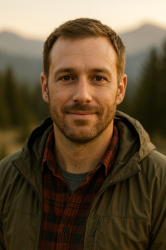
Eric grew up in the mountains of Colorado and has been skiing, hiking, camping and fishing since he was a kid. He started Outward Lab to share what years outdoors have taught him, from setting up camp and keeping an RV running to backyard projects and being ready for emergencies. Every guide here is written to be practical, accurate and safe to follow.