Dispersed Camping for Beginners – Find Free Wild Campsites
Mastering dispersed camping for beginners means camping on free public lands, such as National Forests or BLM areas, without established amenities. You simply drive down designated forest roads, locate an existing pull-off site, bring your own water and waste systems, follow Leave No Trace ethics, and camp completely self-sufficiently away from crowded campgrounds.
You arrive at a crowded state park campground, only to find packed parking pads, loud generators, and zero privacy. The freedom of nature feels completely missing when your tent sits ten feet from an RV exhaust pipe.
Dispersed camping solves this frustration by opening up millions of acres of wild, untouched public land. You can enjoy total silence, stunning natural views, and complete independence without paying site reservation fees.
This practical field blueprint will teach you how to scout legal lands, manage water and sanitation, pack essential self-reliance tools, and build true confidence off the grid.
Table of Contents
What Is Dispersed Camping and Where Is It Legal?
Dispersed camping simply means setting up camp outside of developed recreational sites. There are no bathhouses, picnic tables, trash dumpsters, or water spigots available.
Most legal wild camping takes place on two types of public lands in the United States: the United States Forest Service (USFS) and the Bureau of Land Management (BLM). Both agencies manage vast expanses of wilderness open to public recreation.
State trusts and wildlife management areas occasionally offer options, but rules vary heavily by county. Always check local land management regulations before heading out to ensure primitive stays are permitted.
Understanding the 14-Day Limit Rule
Public land managers generally limit stays to 14 consecutive days within a 28-day window. This policy prevents permanent homesteading and gives natural ecosystems adequate recovery time between human visits.
After reaching your stay limit, you must move your entire camp a set distance away. Most forestry districts require relocating at least 25 to 30 air miles before establishing another backcountry camp.
Navigating Motor Vehicle Use Maps (MVUM)
The definitive tool for identifying legal terrain is a Motor Vehicle Use Map (MVUM). These legal documents clearly show which dirt roads allow motorized travel and roadside camping access.
Paper MVUMs are free at local ranger stations, or you can download digital versions via the Avenza Maps app. If a trail does not feature dispersed markers on an official MVUM, roadside camping there is strictly prohibited.
Essential Gear for Primitive Wilderness Stays
Because wild lands lack utility hookups, your vehicle must carry all necessary survival gear. Reviewing a dedicated dispersed camping checklist ensures you never leave critical survival tools behind in your garage.
Focus on foundational self-reliance equipment: dependable shelter, redundant water storage, solid sanitation systems, emergency vehicle extraction tools, and practical navigation resources that function without cellular reception.
| Gear Category | Essential Tool | Primary Function |
|---|---|---|
| Water Supply | Reliance Aqua-Tainer (7 Gallon) | Stores rigid baseline cooking and hydration water safely |
| Waste Management | GSI Outdoors Cathole Trowel | Digs required 6-to-8-inch waste burial holes |
| Vehicle Recovery | Traction Boards & Tire Deflator | Assists extraction from loose sand, deep gravel, or slick mud |
| Power & Comms | Garmin inReach Mini 2 | Provides two-way satellite SOS messaging off-grid |
Carrying Redundant Water and Filtration
Pack a minimum of one gallon of water per person per day for drinking and cooking alone. If you plan to wash cookware or travel through hot climates, increase your baseline to two gallons daily.
Always bring a secondary gravity water filter or purification tablets. Natural creeks may dry up unexpectedly, making a backup filtration method crucial for emergency hydration.
Self-Contained Power and Lighting
Cold nights and darkness settle quickly when you lack municipal electrical access. Using rugged camping gear for no electricity campsites keeps you comfortable, fed, and warm off-grid.
Pack an auxiliary lithium power bank alongside rechargeable LED headlamps. Avoid idling your vehicle’s engine solely to charge smartphones, as this drains the starting battery unexpectedly.
How to Scout and Select Safe Wilderness Campsites
Finding a quality backcountry pullout requires thorough daytime research. Never wait until twilight to search for wild roads, as navigating rutted corridors in darkness invites vehicle damage.
Download satellite terrain layers on mapping apps like Gaia GPS or OnX Offroad prior to departing your driveway. Look for obvious clearing turnouts alongside approved forestry corridors.
Recognizing Pre-Impacted Sites
Always prioritize sites showing clear signs of previous human use. Look for cleared level dirt footprints, compacted tire clearings, and existing rocky campfire rings.
Setting up camp on previously disturbed ground preserves fragile native flora. Creating brand-new camp clearings accelerates soil erosion and damages delicate wild landscapes.
Assessing Environmental and Wildlife Hazards
Look up before pitching your shelter. Check the canopy for dead, leaning overhead branches—frequently referred to as “widow-makers”—that could fall unexpectedly during high winds.
Avoid pitching your tent in low-lying dry creek beds subject to flash flooding. Position your kitchen at least 200 feet from your sleeping area if you are traveling through wild carnivore territory.
Managing Water, Waste, and Fire Responsibly
True backcountry freedom requires rigorous accountability. Without cleaning crews or dumpsters on site, every camper shoulders the burden of keeping wilderness spaces pristine.
Leaving trash behind triggers road closures by federal rangers. Protect your access rights by treating natural resources with deliberate care and respect.
When packing supplies, consulting a balanced camping checklist for beginners helps prevent forgotten disposal bags, personal hygiene kits, and critical campsite tools.
Disposing of Human Waste Properly
Human waste disposal is the most vital outdoor sanitation practice. Dig a cathole 6 to 8 inches deep and at least 200 feet away from lakes, streams, and walking trails.
Pack out used toilet paper inside sealed, opaque waste bags rather than burying it. Animals easily dig up buried paper, creating unsightly litter across pristine forest grounds.
Campfire Safety and Regional Burn Bans
Wildfire danger represents a severe seasonal threat across public lands. Always check active county or forest service fire restrictions before igniting matches outdoors.
If campfires are permitted, clear all dry pine needles within a ten-foot radius. Never leave an open fire unattended, and drown coals completely in water until ashes feel cold to the touch.
Critical Dispersed Camping for Beginners Safety Rules
Safe dispersed camping for beginners requires constant situational awareness and proactive planning. Without campground hosts nearby, you serve as your own first responder.
Share an exact travel itinerary and return deadline with a trusted contact at home. Include your planned forest road numbers, GPS coordinates, vehicle description, and license plate information.
Turn your vehicle around immediately upon arrival so the front bumper points toward your escape route. This ensures an effortless, rapid exit if sudden wildfires or storms threaten your safety at midnight.
Step-by-Step Wilderness Camp Arrival Flow
Arriving systematically at an undeveloped campsite saves daylight and prevents common setup mistakes. Follow this logical sequence to establish your off-grid camp efficiently:
- Survey the Terrain: Park your vehicle on the roadway shoulder, walk the campsite on foot, and inspect the ground for broken glass, hidden stumps, and overhead deadfall hazards.
- Level Your Base: Position your vehicle or tent on flat, durable, previously compacted ground to prevent water pooling if rain develops overnight.
- Orient for Weather: Position your tent door facing away from prevailing winds to protect your vestibule from drafts and driving rain.
- Establish the Kitchen Perimeter: Place your camp stove, food storage totes, and cooler at least 100 to 200 feet downwind from your sleeping quarters.
- Secure Camp Sanitation: Designate an accessible bathroom zone well away from water sources, and unpack your trowel, seals, and wash supplies before dark.
FAQs About Dispersed Camping for Beginners
Is dispersed camping truly free on all public lands?
Dispersed camping is completely free across the majority of standard BLM and USFS acreage. However, certain high-use management districts require inexpensive self-issued permits or regional conservation parking passes.
Can I safely sleep inside my car while dispersed camping?
Yes, car camping is one of the easiest ways to start primitive camping safely. It provides hard-sided shelter from wind, rain, and curious wildlife without requiring a complex tent setup.
How do I reliably wash dishes without campground running water?
Use a two-basin system featuring biodegradable camp soap and clean warm water. Strain food particles into your garbage bag and scatter strained greywater 200 feet away from natural lakes or streams.
What vehicle type is needed for wild dispersed camping?
Standard front-wheel-drive passenger cars manage well-maintained, gravel forest service corridors easily in dry conditions. High-clearance four-wheel-drive vehicles are only necessary for deeply rutted, unmaintained, or rocky backcountry routes.
Final Thoughts on Dispersed Camping for Beginners
Stepping away from manicured campgrounds unlocks the authentic tranquility of the open wilderness. With thoughtful trip planning, reliable gear, and a deep commitment to environmental stewardship, primitive backcountry trips will quickly become your favorite way to escape modern noise.
Start with simple overnight trips close to home, double-check your safety redundancies, and tread lightly on our public lands. Stay safe, respect the wild, and savor your outdoor journey!
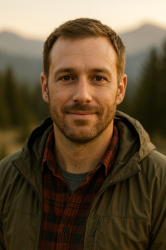
Eric grew up in the mountains of Colorado and has been skiing, hiking, camping and fishing since he was a kid. He started Outward Lab to share what years outdoors have taught him, from setting up camp and keeping an RV running to backyard projects and being ready for emergencies. Every guide here is written to be practical, accurate and safe to follow.